

There was a time when the idea of an adult getting orthodontic treatment meant a mouth full of metal brackets and wires, rubber bands, and a fairly noticeable change to their appearance for a year or two. For many adults, that image alone was enough to put the idea on the back burner indefinitely. The teeth weren’t perfect, but they were manageable. The trade-off didn’t feel worth it.
Table of Contents
That calculation has changed. Over the past decade, the number of adults choosing orthodontic treatment has grown steadily, and the reason isn’t hard to find. Clear aligner therapy has made straightening teeth a realistic option for people who would never have considered traditional braces as adults.
Patients exploring Invisalign in Agoura Hills are part of a much broader shift in how adults think about orthodontic care. It’s no longer something you either did as a teenager or missed your chance at. For a growing number of adults, Invisalign has become the straightforward, low-disruption path to a smile they’ve always wanted.
Here’s a closer look at what’s actually driving this shift.
Appearance During Treatment
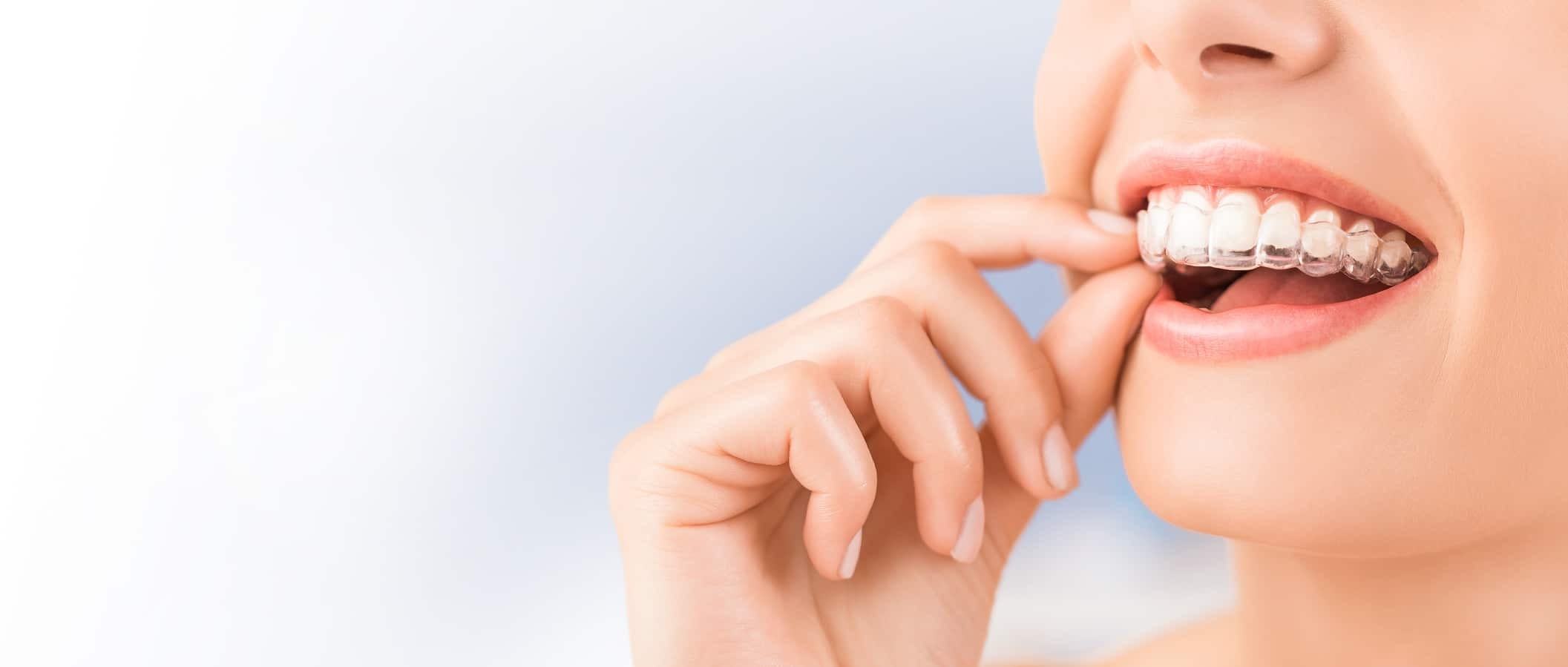
The most obvious reason adults choose Invisalign over metal braces is how treatment looks while it’s happening. Clear aligners are virtually invisible. Most people who aren’t looking for them won’t notice them at all during normal conversation.
For adults in professional settings, client-facing roles, or simply anyone who doesn’t want their orthodontic treatment to be the first thing people notice about them, this matters enormously. Metal braces change how you look in meetings, in photos, and in everyday interactions in ways that many adults find difficult to accept.
Invisalign doesn’t ask you to make that trade-off. The treatment happens quietly, without announcing itself every time you open your mouth.

The Removable Factor
Beyond appearance, the fact that Invisalign aligners are removable changes the day-to-day experience of orthodontic treatment in significant ways. With traditional braces, what you eat is restricted for the entire duration of treatment. Sticky foods, hard foods, anything that might damage a bracket or get stuck in the wires is off the table.
With Invisalign, you simply take the aligners out before eating and put them back in afterward. There are no food restrictions. You eat what you want, brush and floss normally, and then replace the aligners. For adults who travel frequently, eat out regularly, or simply don’t want to overhaul their eating habits for eighteen months, this flexibility is a significant advantage.
The removable nature also makes oral hygiene far simpler. Cleaning around metal brackets and wires requires special tools and extra time. With Invisalign, you brush and floss exactly as you normally would, which means better oral hygiene outcomes over the course of treatment.
Fewer Office Visits
Adults are busy. Scheduling frequent orthodontic appointments during work hours is a real logistical challenge that puts many adults off treatment before they even start. Traditional braces typically require monthly adjustment appointments for the full duration of treatment.
Invisalign generally requires fewer in-office check-ins. Many providers now offer extended check-in intervals, meaning patients may only need to come in every six to eight weeks rather than every four. Some providers also use remote monitoring tools that allow minor progress checks without requiring an in-person visit at all.
For patients with demanding schedules, this reduced appointment frequency makes treatment significantly more manageable from a practical standpoint.
Comfort and Adjustments
Metal braces involve brackets bonded to the teeth and wires threaded through them that are periodically tightened. The tightening process creates pressure that can be quite uncomfortable for a few days after each adjustment appointment. Brackets and wires can also irritate the inside of the cheeks and lips, sometimes causing sores that take time to heal.
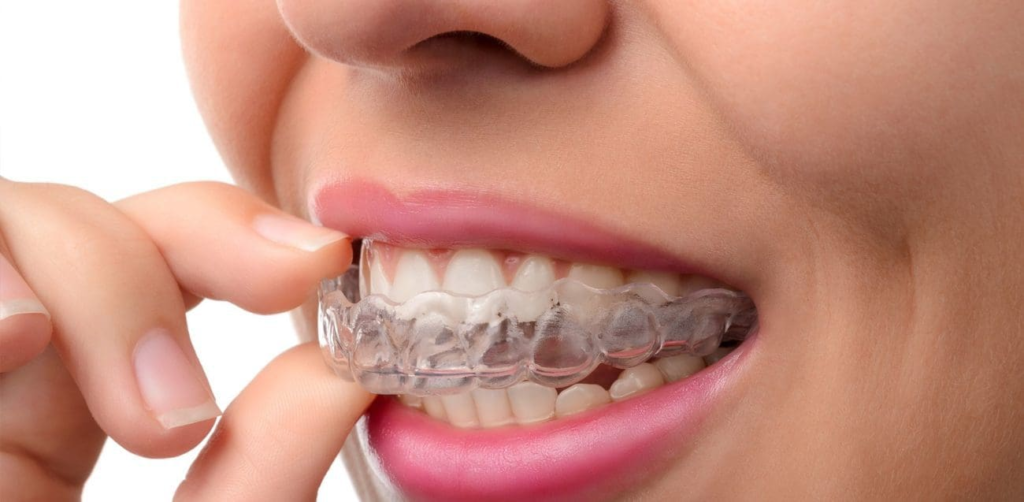
Invisalign aligners are made from smooth, custom-fitted plastic. There are no sharp edges, no protruding wires, and no adjustment appointments that leave your mouth aching. Patients do experience some pressure when switching to a new set of aligners, which is a sign the treatment is working, but this typically settles down within a day or two and is generally described as much milder than the discomfort associated with wire tightening.
What Invisalign Can Actually Treat
One of the most persistent misconceptions about Invisalign is that it only works for very mild alignment issues. This was more true in the early days of clear aligner technology, but it’s significantly less accurate today. Advances in aligner design and treatment planning software have expanded the range of cases Invisalign can address effectively.
Current Invisalign technology can treat a wide range of conditions including:
- Crowded teeth
- Gapped or spaced teeth
- Overbite and underbite
- Crossbite
- Open bite
- Mild to moderate misalignment and bite issues
More complex cases may still be better suited to traditional braces or a combination approach, which is why a thorough consultation with an experienced provider is always the right starting point. A premier Invisalign provider has the clinical experience to assess your specific situation honestly and recommend whether clear aligners are genuinely the right fit.
The Role of the Provider
Not all Invisalign experiences are the same, and the provider makes a significant difference. Invisalign designates certain dentists as Premier Providers based on their volume of completed cases and demonstrated clinical experience with the system.
Working with a certified Invisalign dentist who has handled a high volume of diverse cases means your treatment plan is built on real experience rather than a basic familiarity with the system. This matters when it comes to treatment planning, managing refinements if teeth don’t move exactly as projected, and ensuring the final result matches what was promised at the start.
Patients who choose an experienced provider tend to have smoother treatment experiences and more consistent outcomes than those who go with a provider who offers Invisalign as an add-on to a general dentistry practice without significant case volume behind them.
Cost and Accessibility
Cost is a fair consideration. Invisalign treatment is generally in a similar price range to traditional braces, though the exact figure depends on the complexity of the case and the provider. Many practices offer payment plans and financing options that spread the cost over the treatment period, making it more accessible for patients who want to move forward without paying everything upfront.
It’s also worth thinking about the long-term value. Adults who address alignment issues now reduce their risk of uneven wear, bite problems, and the more significant dental work that can follow from leaving these issues untreated for another decade or two.
FAQs
Can Invisalign fix serious alignment issues?
Yes, for many moderate to complex cases. The range of conditions Invisalign can treat has expanded significantly. A consultation with an experienced provider will give you a clear answer based on your specific teeth.
How long does Invisalign treatment take for adults?
Most adult cases take between 12 and 18 months, though simpler cases can be completed in as little as six months. Your provider will give you a more accurate timeline after evaluating your teeth.
Do I have to wear the aligners all day?
Yes. For best results, aligners should be worn 20 to 22 hours per day. They’re removed only for eating, drinking anything other than water, and brushing and flossing.
Is Invisalign more expensive than metal braces?
The cost is generally comparable. The exact figure depends on case complexity and the provider. Many practices offer financing options to spread the cost over the treatment period.
What happens after Invisalign treatment is complete?
After active treatment, patients wear a retainer to maintain their results. Skipping the retainer phase can allow teeth to gradually shift back toward their original position over time.
Thinking About Invisalign as an Adult?
It’s never too late to get the smile you’ve always wanted. A consultation is the best way to find out whether Invisalign is right for your specific situation and what your treatment timeline and cost would look like.

Agoura Advanced Dentistry serves patients across Agoura Hills, Calabasas, Westlake Village, Thousand Oaks, Oak Park, and Malibu. Call us or fill out the form to book your Invisalign consultation today.


