

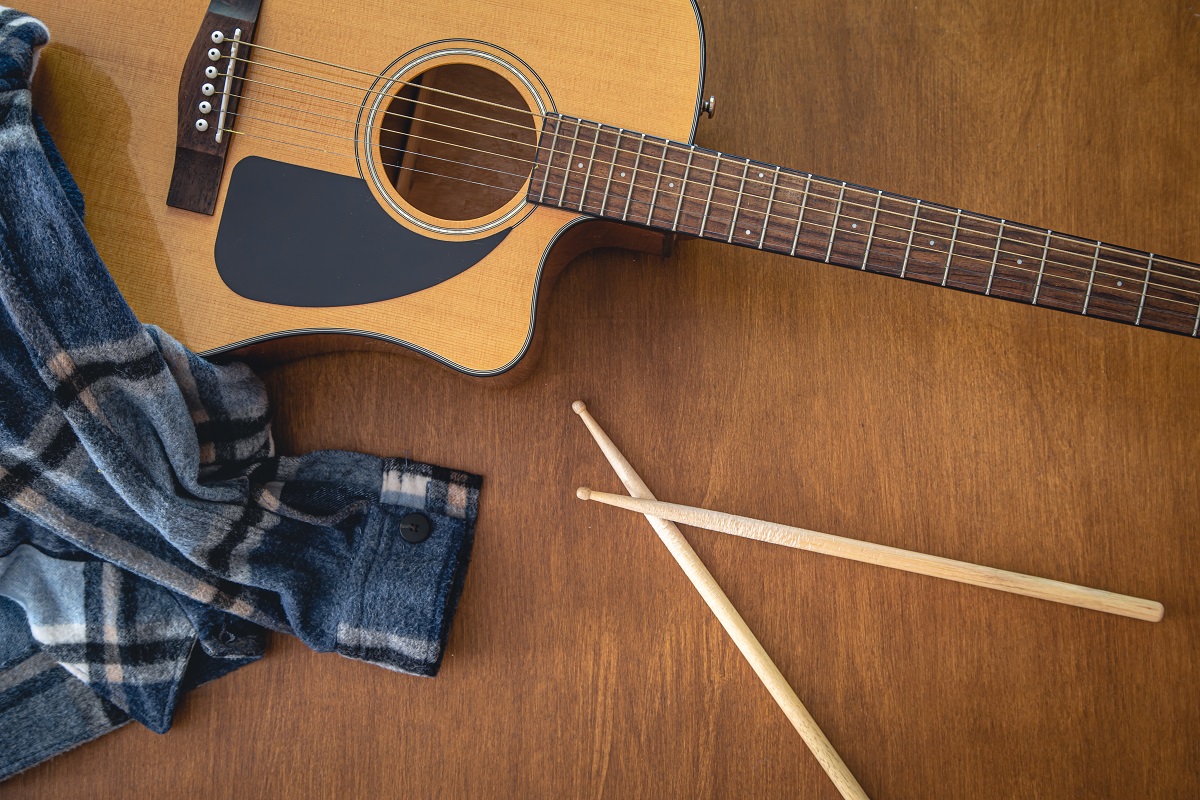
When it comes to creating the perfect guitar, whether acoustic or electric, few factors are more important than the choice of wood. Guitar tonewoods aren’t just part of the structure—they’re the very essence of your instrument’s voice, feel, and personality. From the bright snap of maple to the warm depth of mahogany, the world of tonewoods offers an expansive palette for builders, players, and collectors alike.
Table of Contents
In this comprehensive guide, we’ll explore how tonewoods shape sound, the most popular choices for acoustic and electric guitars, and where to find high-quality tonewoods for sale from trusted tonewood shop sources.
What Are Guitar Tonewoods?
Guitar tonewoods are specially selected types of wood used in the construction of stringed instruments, chosen for their specific acoustic and structural properties. These woods directly influence an instrument’s resonance, tonal character, weight, and even its visual appeal.
For both acoustic and electric guitars, guitar tonewoods are chosen for different parts of the instrument:
- Acoustic tonewoods are used for the top (soundboard), back, sides, neck, and fretboard.
- Electric guitars use tonewoods for bodies, necks, and sometimes tops or fingerboards, depending on the design.
Luthiers and custom builders rely heavily on quality wood from professional guitar wood suppliers and tonewood suppliers networks to achieve consistency and clarity in tone.
Top Acoustic Guitar Tonewoods
The choice of acoustic tonewoods significantly impacts tone projection, clarity, and warmth. Here are some of the most commonly used types:
Spruce
The go-to top wood, spruce is lightweight and highly resonant, offering a bright, dynamic sound. It’s ideal for players who want volume and clarity.
Cedar
A softer tonewood, cedar provides a warm, rich sound with a quick response, making it a favorite for fingerstyle guitarists.
Mahogany
Often used for backs, sides, and necks, mahogany delivers a woody, mid-range-heavy tone. It’s perfect for blues, folk, and vintage-style acoustics.
Rosewood
This dark, dense tonewood adds lush overtones, powerful bass, and bright trebles. It’s found in many high-end acoustic guitars.
When sourcing quality acoustic tonewoods, it’s important to buy from verified guitar wood suppliers that offer seasoned and properly stored materials.
Top Electric Guitar Tonewoods
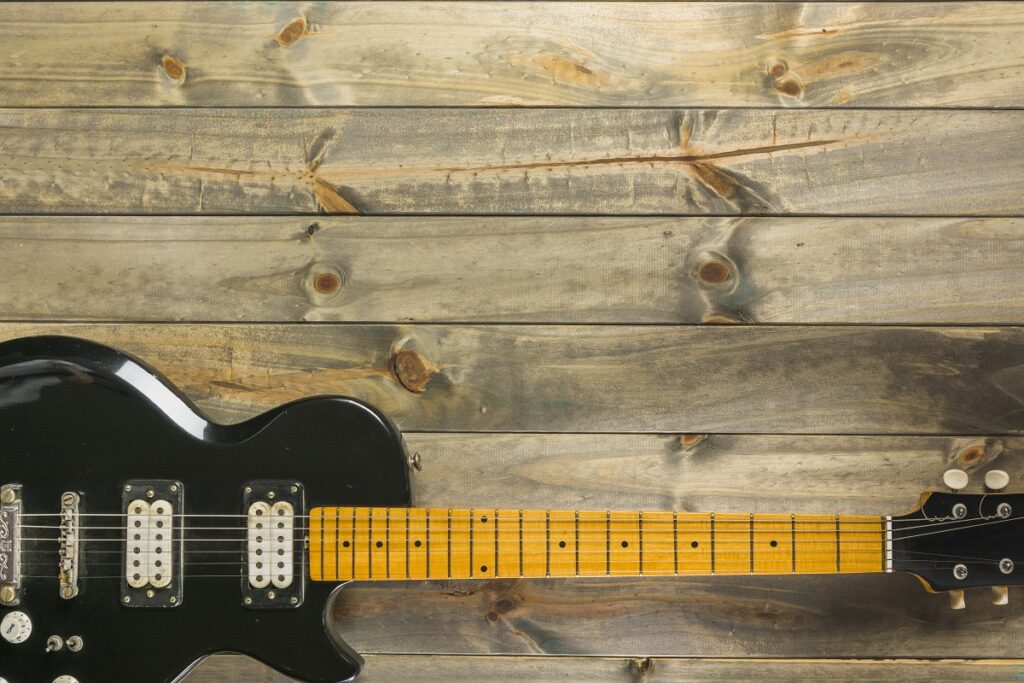
Electric guitars rely less on resonance from the wood but still gain tonal character, sustain, and weight from the tonewoods used.
Alder
Popular in classic electric models, alder offers a balanced tone with pronounced upper mids.
Maple
Dense and bright, maple is often used for necks and tops. Flame or quilted maple adds a visual flair as well.
Mahogany
Used in solid-body guitars, mahogany provides warm tones and rich sustain—great for rock and jazz.
Ash
Lightweight and resonant, ash gives a balanced tone and is favored for its attractive grain.
Whether you’re a boutique builder or a DIY enthusiast, sourcing these tonewoods for sale from a reliable tonewood shop ensures tonal consistency and build quality.
The Role of Tonewoods in Tone and Feel
Different tonewoods have distinct tonal signatures, affecting how an instrument sounds and responds to your playing. Here’s how they typically affect performance:
- Hardwoods (like maple and ebony) tend to deliver bright tones with fast attack.
- Softwoods (like cedar) offer warmer, mellower sounds.
- The density and grain pattern influence sustain, weight, and resonance.
Choosing the right tonewoods also affects the instrument’s comfort and weight, especially with electric guitars where solid wood bodies can vary widely.
Where to Find Quality Guitar Tonewoods for Sale
For builders and hobbyists alike, finding premium guitar tonewoods for sale starts with choosing trusted guitar wood suppliers or specialized tonewood supplier platforms. Look for suppliers that offer:
- Kiln-dried and aged woods
- Detailed product descriptions (species, grade, moisture content)
- A wide selection of tonewoods for sale, including exotic and sustainable options
- Clear sourcing transparency and ethical forestry practices
Some tonewood shop retailers also provide pre-cut sets for specific guitar models, making them ideal for luthiers who want consistency in every build.
Final Thoughts
Choosing the right tonewoods is a journey that blends science, art, and personal taste. Whether you’re crafting a bright and punchy electric or a warm, resonant acoustic, your selection of tonewoods will define the soul of your instrument.
For builders seeking tonewoods for sale, partnering with reputable guitar wood suppliers, browsing trusted tonewood shop selections, and exploring sustainable tonewoods for sale will ensure both quality and performance. And for those experimenting with unique options like stonewoods, the horizon of guitar tone is broader than ever before.
Frequently Asked Questions (FAQs)
What are the best acoustic guitar tonewoods for beginners?
Spruce and mahogany are excellent beginner-friendly options. They are affordable, widely available, and produce a balanced tone suitable for various styles.
Can I mix different guitar tonewoods in one build?
Yes, most guitars use a combination—spruce tops with mahogany backs, or maple necks with rosewood fretboards, for example. Mixing tonewoods allows tonal customization.
Where can I find reliable guitar tonewoods for sale?
Many guitar wood suppliers and online tonewood shop platforms offer quality tonewoods for sale, including exotic, domestic, and sustainable varieties.
Are stonewoods good for guitar making?
Stonewoods are more decorative than functional but can add visual appeal to tops or fretboards. They’re rare and mostly used in high-end or experimental builds.
What makes a tonewood “good”?
A good guitar tonewood offers the right balance of strength, weight, resonance, and stability. Grain orientation, drying process, and sourcing all impact quality.


